


Blog list
Glenpool Eye Care Blog
Learn more about optometrist care in our blog!

Fall sports season means practices, games, and plenty of movement for student-athletes in Glenpool. For young athletes who wear glasses, contact lenses can provide greater freedom, improved peripheral vision, and fewer distractions during competition. Two options worth considering are daily disposable contact lenses and orthokeratology (Ortho-K).

If your eyes seem to become itchy, watery, red, or irritated every fall, seasonal allergies may be part of the problem. Ragweed pollen and other airborne allergens can trigger uncomfortable eye symptoms, while wind, changing humidity, indoor air, and increased screen time can make dry eye worse at the same time.
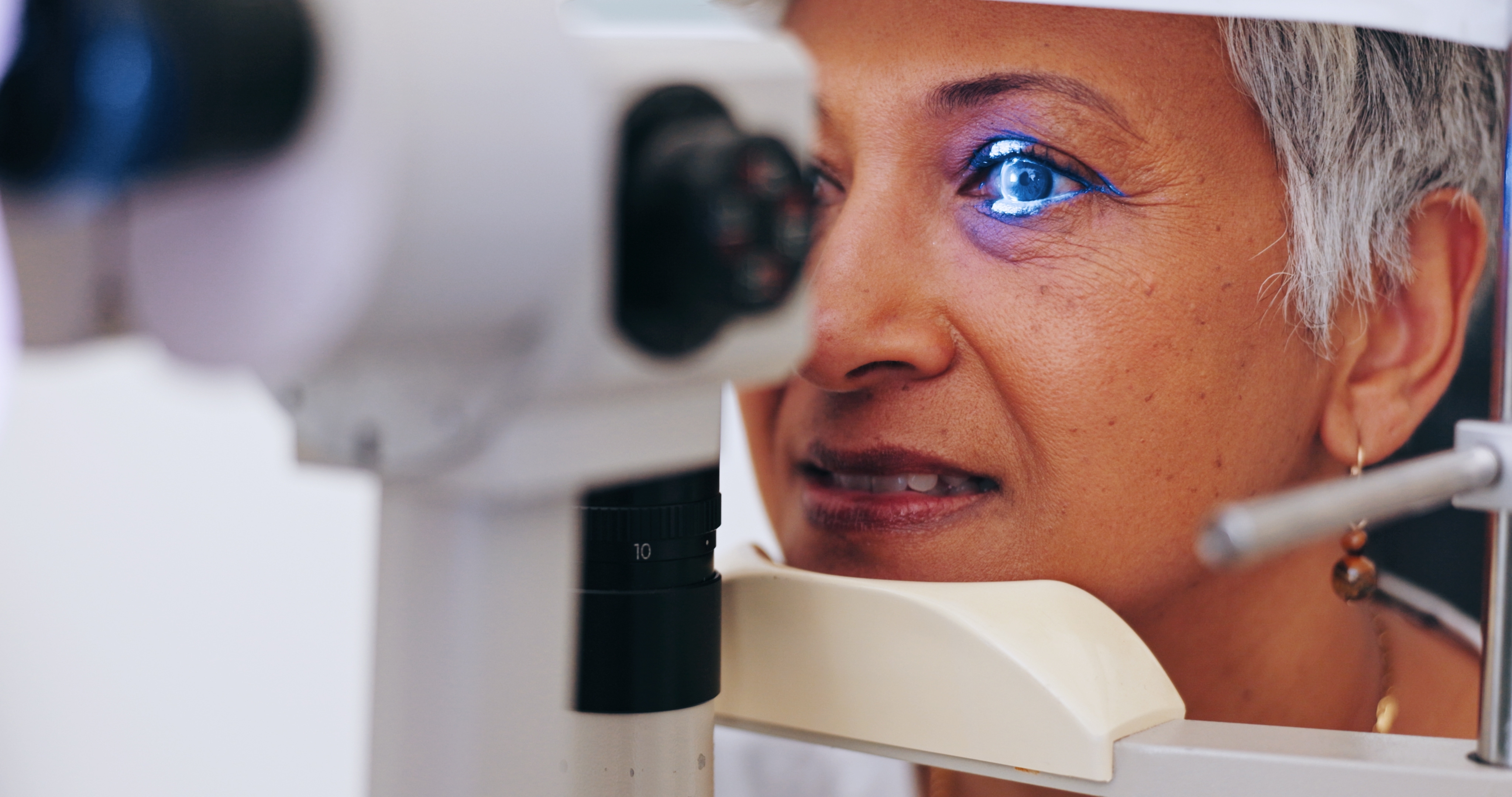
Diabetes can affect much more than blood sugar. Over time, high blood sugar can damage the small blood vessels that supply the retina, potentially leading to diabetic retinopathy. Because early retinal changes may develop without noticeable symptoms, regular diabetic eye exams and advanced retinal scanning play an important role in protecting your vision. At Glenpool Eye Care, we use advanced technology to closely evaluate retinal health and monitor changes over time for patients throughout Tulsa County.

When you order new eyeglasses, the prescription is only part of what determines how clearly and comfortably you see. Each lens must also be shaped to fit the selected frame with accuracy. In-house lens edging gives an optical team greater control over this important step, helping create prescription eyewear that is carefully prepared for the individual patient.
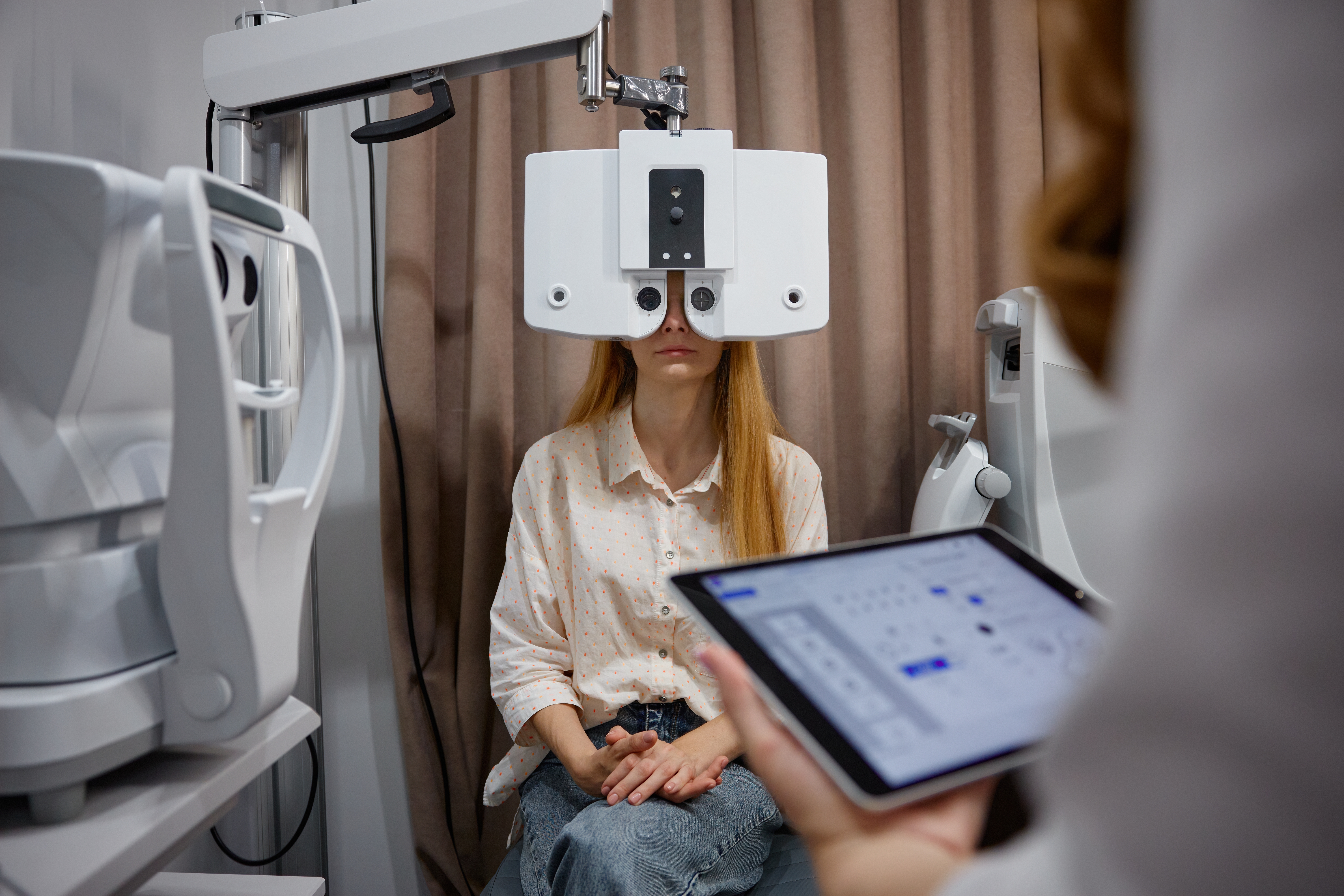
Clear vision does not always mean the eyes are healthy. Several eye diseases can develop quietly, causing gradual changes to the retina or optic nerve before a person notices blurred vision, discomfort, or other warning signs. Advanced ocular tomography gives eye doctors a closer look beneath the surface, helping identify subtle structural changes that may not be visible through standard vision testing alone.

June in Glenpool, OK can bring dry wind, harvest dust, pollen, and outdoor debris. For many people, that means red, irritated, watery, or gritty eyes. While some irritation may seem minor, dust and wind can sometimes cause small scratches on the surface of the eye, also called corneal abrasions.

Diabetes can impact more than blood sugar. Over time, high blood sugar can damage the small blood vessels throughout the body, including the delicate vessels in the retina. The retina is the light-sensitive tissue in the back of the eye that helps send visual information to the brain.

Your glasses go through daily wear - being folded, adjusted, cleaned, set down, and carried from place to place. Over time, that use can lead to loose screws, bent frames, worn nose pads, or arms that no longer sit evenly. In many cases, optical repairs can restore comfort and function without replacing the entire pair.

Diabetes can damage the small blood vessels in the eyes, sometimes before a person notices any change in vision. That is one reason specialized diabetic eye exams matter. A full eye exam can help detect problems early, including diabetic retinopathy and other diabetes-related eye changes that may not cause obvious symptoms at first.
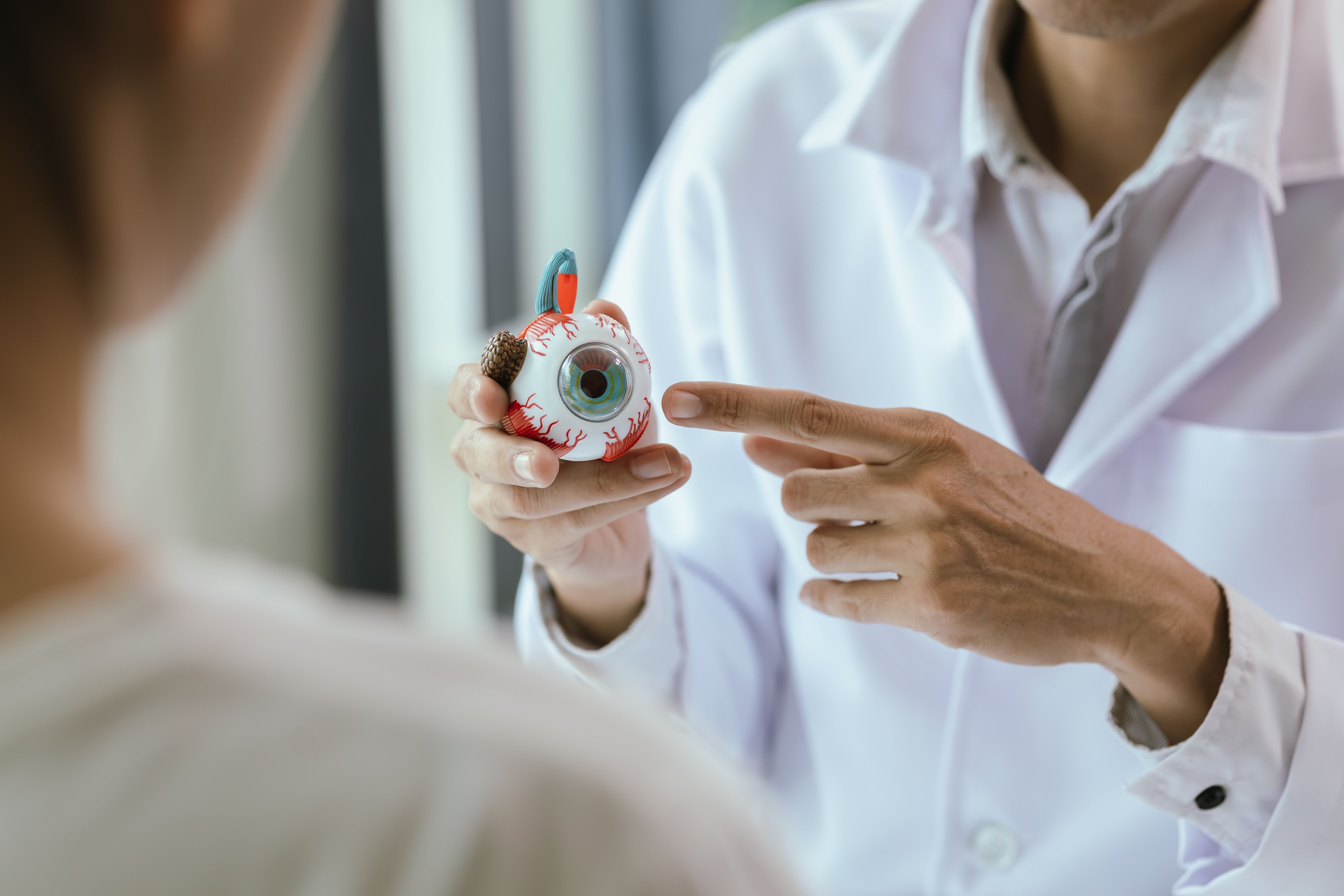
Glaucoma is often called the “silent thief of sight” because it can gradually damage vision without noticeable symptoms in its early stages. At Glenpool Eye Care, we believe education is one of the most powerful tools in protecting your eye health. Understanding the main cause of glaucoma - and knowing your treatment options - can help you take proactive steps to preserve your vision.


MAP
Powered by: 