


Why Are My Eyes Itchy and Watery Every Fall? Glenpool’s Ragweed Season & Dry Eye Solutions
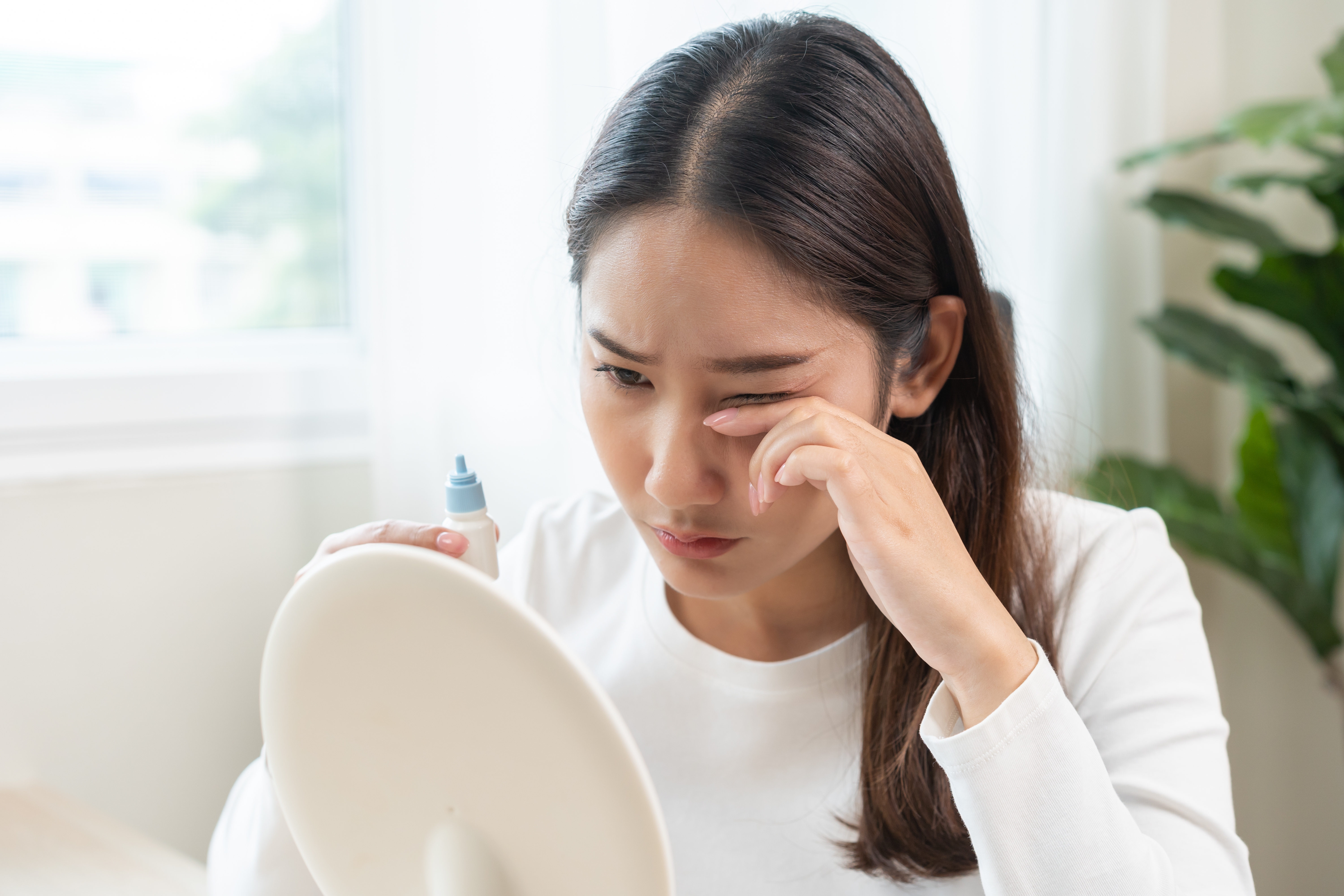
If your eyes seem to become itchy, watery, red, or irritated every fall, seasonal allergies may be part of the problem. Ragweed pollen and other airborne allergens can trigger uncomfortable eye symptoms, while wind, changing humidity, indoor air, and increased screen time can make dry eye worse at the same time.
At Glenpool Eye Care, we help patients determine whether fall eye irritation is coming from allergies, dry eye, or a combination of both. Understanding the cause is important because treatments that help allergic eyes are not always the same treatments used for chronic dry eye.
Why Ragweed Can Make Your Eyes Itch
When pollen reaches the surface of the eyes, the immune system may respond by releasing histamine. This can trigger allergic conjunctivitis, causing itching, redness, tearing, and swollen eyelids.
Fall ragweed season can make symptoms especially noticeable for allergy-sensitive patients in Glenpool. Wind can carry pollen through the air, which means exposure can occur even when ragweed is not growing directly around your home.
Signs that seasonal eye allergies may be contributing include:
- Intense itching in both eyes
- Clear, watery tearing
- Red or irritated eyes
- Puffy or swollen eyelids
- Sneezing or nasal congestion
- Symptoms that worsen after outdoor exposure
- Recurring irritation during the same season each year
Itching is often a strong clue that allergies are involved, but persistent symptoms still deserve a professional evaluation.
Why Watery Eyes Can Actually Be Dry
It may seem strange for dry eye to make your eyes water, but excessive tearing can sometimes be a response to ocular surface irritation.
Healthy tears need the right balance of water, oil, and other components to stay stable on the eye. If tears evaporate too quickly or do not adequately coat the surface, the eyes may react by producing watery reflex tears.
These tears do not always provide lasting lubrication, which means your eyes can feel both watery and dry at the same time.
Glenpool Eye Care provides dry eye treatment for patients experiencing symptoms such as burning, stinging, light sensitivity, blurry vision, and contact lens discomfort.
Allergies and Dry Eye Can Overlap
Some Glenpool patients experience both conditions at once. Allergy-related inflammation can irritate the ocular surface, while an unstable tear film can make the eyes more sensitive to environmental triggers.
Certain oral allergy medications may also contribute to dryness in some people. This can create a frustrating cycle where allergy symptoms improve but the eyes continue feeling dry or irritated.
That is why repeatedly switching between artificial tears and allergy drops without understanding the underlying problem may provide only partial relief.
Simple Ways to Reduce Fall Eye Irritation
Limiting exposure can make seasonal symptoms easier to manage. Sunglasses can help shield the eyes from wind and airborne allergens when you are outdoors.
After spending time outside, washing your face and changing clothes can help reduce the amount of pollen brought indoors. Avoid rubbing itchy eyes because rubbing can increase irritation and inflammation.
Artificial tears may help rinse allergens from the ocular surface while improving lubrication. A cool compress can also provide temporary relief from itching and eyelid swelling.
When Dry Eye Needs More Than Artificial Tears
Over-the-counter drops can provide temporary moisture, but chronic dry eye may require a more personalized approach.
Glenpool Eye Care evaluates the underlying cause of persistent dryness and may recommend prescription medications, in-office procedures, lifestyle changes, or other treatment based on your symptoms and eye health.
Regular eye exams can also help distinguish dry eye from allergies, infection, contact lens complications, or another condition causing redness and irritation.
If itchy, watery, burning, or irritated eyes return every fall, schedule an eye exam with Glenpool Eye Care at 247 E 141st Street, Glenpool, OK 74033, or call (918) 291-1222 to determine whether seasonal allergies, dry eye, or both are behind your symptoms and find a personalized plan for greater comfort.


MAP
Powered by: 