


What Is the Main Cause of Glaucoma?
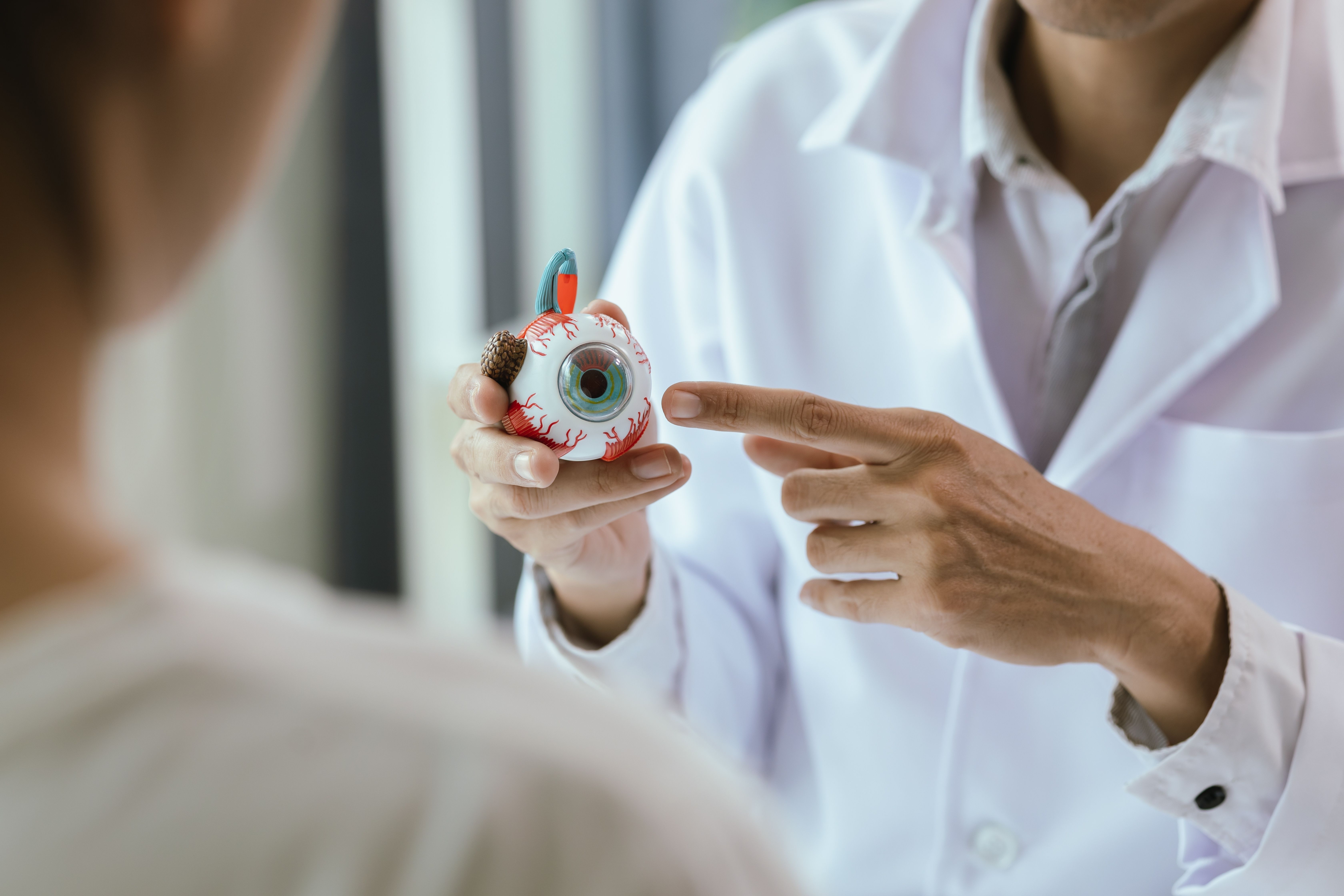
Glaucoma is often called the “silent thief of sight” because it can gradually damage vision without noticeable symptoms in its early stages. At Glenpool Eye Care, we believe education is one of the most powerful tools in protecting your eye health. Understanding the main cause of glaucoma - and knowing your treatment options - can help you take proactive steps to preserve your vision.
What Is Glaucoma?
Glaucoma is a group of eye diseases that damage the optic nerve, the structure responsible for transmitting visual information from your eye to your brain. Once the optic nerve is damaged, vision loss can occur - and it is typically permanent. Early detection is critical because, in many cases, vision changes are not noticeable until the condition has advanced.
What Is the Main Cause of Glaucoma?
The primary cause of glaucoma is increased pressure inside the eye, known as intraocular pressure (IOP).
Your eye continuously produces a clear fluid called aqueous humor. This fluid normally drains through a specialized drainage system. When the fluid does not drain properly, it builds up inside the eye. This increased pressure can damage the optic nerve over time.
However, it’s important to note that:
- Not everyone with high eye pressure develops glaucoma.
- Some people develop glaucoma even with normal eye pressure.
This means glaucoma is closely linked to optic nerve vulnerability in addition to elevated eye pressure.
Types of Glaucoma
Understanding the type of glaucoma you may have can help determine the best treatment approach.
Primary Open-Angle Glaucoma - This is the most common type. It develops slowly when the eye’s drainage system becomes less efficient over time. There is no pain or early warning sign, which is why routine eye exams are so important.
Angle-Closure Glaucoma - This form occurs when the drainage angle becomes suddenly blocked. It can cause rapid pressure buildup and is considered a medical emergency. Symptoms may include severe eye pain, headache, blurred vision, halos around lights, and nausea.
Normal-Tension Glaucoma - In this type, optic nerve damage occurs even though eye pressure remains within normal range. The exact cause isn’t fully understood but may be related to reduced blood flow to the optic nerve.
Risk Factors for Glaucoma
While elevated eye pressure is the main cause, several risk factors can increase your likelihood of developing glaucoma:
- Age over 40
- Family history of glaucoma
- Diabetes
- High blood pressure
- Thin corneas
- Previous eye injuries
- Long-term steroid use
If you fall into any of these categories, routine comprehensive eye exams are especially important.
Glaucoma Treatment Options
While glaucoma cannot be cured, treatment can slow or prevent further vision loss by lowering eye pressure. Options include prescription eye drops to reduce fluid buildup, oral medications in some cases, laser therapy to improve drainage, and surgical procedures to create new drainage pathways. Your treatment plan will depend on the type and severity of glaucoma and your individual needs.
The Importance of Early Detection
Because glaucoma often develops without noticeable symptoms, regular eye exams are the best defense. At Glenpool Eye Care, we use advanced diagnostic technology to measure eye pressure, evaluate optic nerve health, and detect early signs of damage - often before vision changes occur.
Early diagnosis allows us to begin treatment promptly and protect your long-term vision.
Protect Your Vision at Glenpool Eye Care
The main cause of glaucoma is increased pressure inside the eye that damages the optic nerve. However, glaucoma is a complex condition that can develop even without elevated pressure. Since it often progresses silently, routine eye exams are essential for early detection and effective management.
If it has been a while since your last comprehensive eye exam, or if you have risk factors for glaucoma, schedule an appointment at Glenpool Eye Care. Visit our office in Glenpool, Oklahoma, or call (918) 233-8400 today.


MAP
Powered by: 