


Night Driving Glare: When to Book an Eye Exam
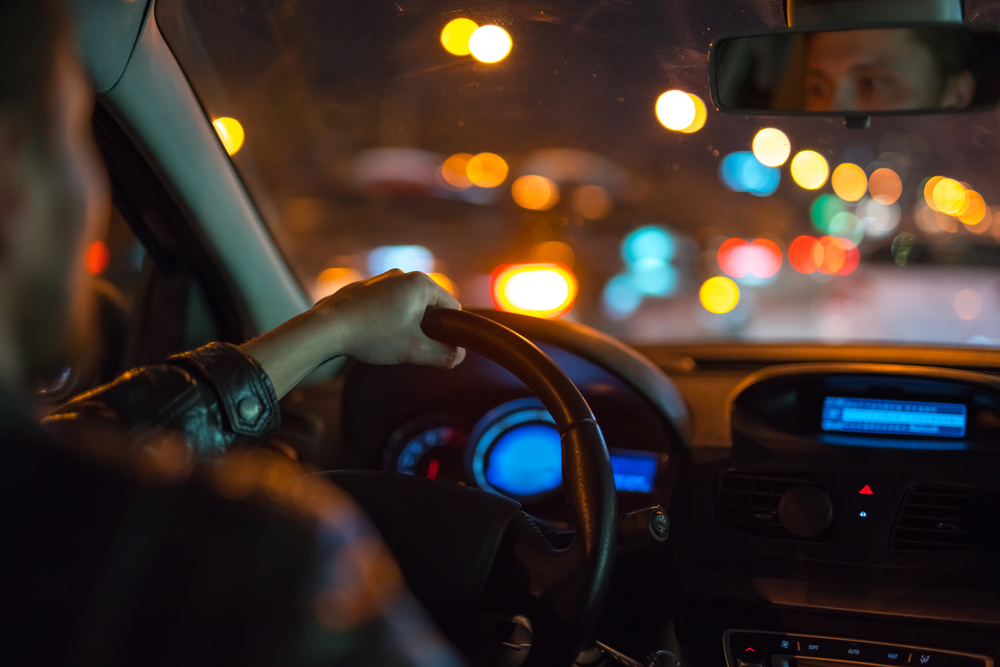
Headlights and streetlights can feel especially bright after dark, but glare that is new, worsening, or affecting your ability to drive deserves attention. At Glenpool Eye Care, we help patients in Glenpool understand changes in their vision and identify whether a prescription update or treatment for an eye condition may help.
Why Headlights May Look More Distracting
Night driving requires your eyes to distinguish road markings, pedestrians, and other vehicles in low light. A prescription that no longer meets your needs can make distant details harder to see. Dry eye can also reduce visual clarity, while cataracts may cause glare, halos, and difficulty seeing at night. Similar symptoms can have different causes, which is why an eye exam matters.
Signs It Is Time to Schedule an Exam
We recommend booking an eye exam when night driving becomes noticeably more difficult, even if your daytime vision still seems clear. Pay attention to changes such as:
Halos or starbursts around headlights and streetlights
Trouble reading road signs or spotting pedestrians
Blurry distance vision despite wearing your glasses or contacts
Increasing glare that makes familiar routes uncomfortable
Avoiding evening trips because you no longer feel confident behind the wheel
You do not need to wait until your next routine appointment to discuss these concerns. Glare can affect everyday vision in ways that a standard eye chart does not fully capture.
What We Look for During Your Visit
During your eye exam in Glenpool, we will discuss when the glare started, whether it affects one or both eyes, and how it changes your driving. Bring your current glasses and describe any dryness, fluctuating blur, or other symptoms.
We can check your prescription and examine your eyes for potential causes, including changes in the cornea or natural lens. Depending on your findings, dilation may be needed to evaluate the retina and optic nerve. Our recommendations will depend on the cause of your symptoms, rather than glare alone.
Steps to Take Before Your Appointment
Keep your windshield clean inside and out, clean your glasses, and make sure your headlights are properly maintained. These steps can reduce avoidable visibility problems, but persistent glare still needs evaluation.
Avoid relying on yellow-tinted “night driving” glasses. Tinted lenses reduce the light reaching your eyes and have not been shown to improve nighttime driving performance. If you cannot see clearly enough to drive safely, arrange another ride. If difficulty develops while driving, pull over somewhere safe.
When Symptoms Need Immediate Attention
Sudden vision loss or severe eye pain requires immediate medical attention. Halos accompanied by a red eye, blurred vision, headache, or nausea may also signal an urgent eye problem. Seek immediate care rather than waiting for a routine appointment, and have someone else drive you.
If night driving glare is changing your comfort behind the wheel, schedule an eye exam with Glenpool Eye Care in Glenpool, OK, by calling (918) 291-1222. Let us help you understand what has changed and discuss your next steps.


MAP
Powered by: 