


Beneath the Surface: How Advanced Ocular Tomography Detects Silent Eye Disease Before Symptoms
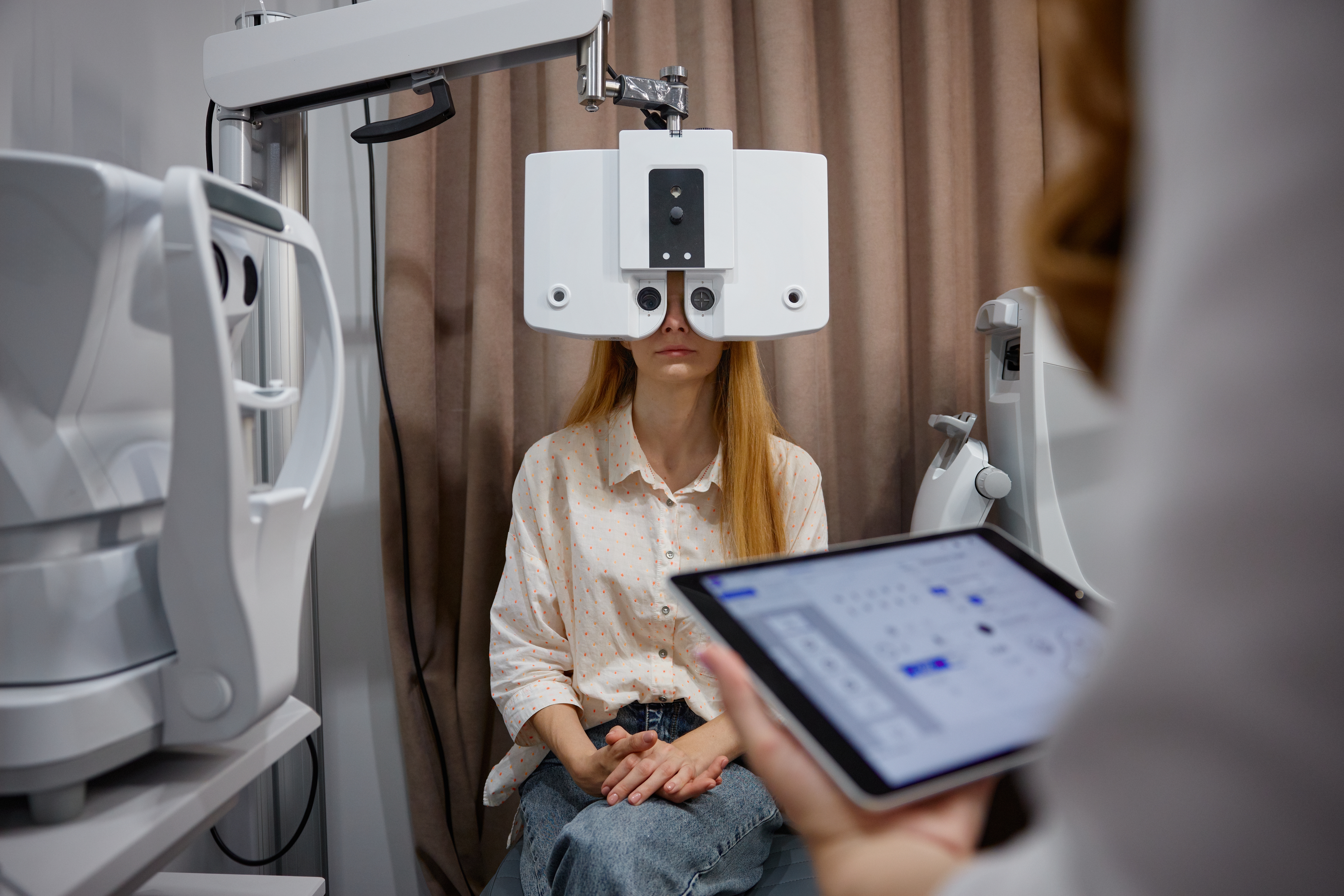
Clear vision does not always mean the eyes are healthy. Several eye diseases can develop quietly, causing gradual changes to the retina or optic nerve before a person notices blurred vision, discomfort, or other warning signs. Advanced ocular tomography gives eye doctors a closer look beneath the surface, helping identify subtle structural changes that may not be visible through standard vision testing alone.
At Kibo Eyecare, Optical Coherence Tomography, commonly called OCT, supports detailed eye health evaluations. This noninvasive imaging technology uses light waves to create cross-sectional images of the retina and optic nerve.
Looking Beyond a Standard Vision Test
A traditional vision screening measures how clearly you can see, but it may not reveal what is happening within the deeper layers of the eye. OCT imaging allows us to examine these delicate structures in greater detail and measure changes that could indicate developing eye disease.
The scan is quick, painless, and does not touch the eye. During the test, patients look into the imaging device while it captures detailed images. These scans provide valuable information that can be reviewed during the appointment and compared with future results.
Eye Conditions OCT Can Help Evaluate
Advanced ocular tomography may be recommended when evaluating or monitoring conditions affecting the retina, macula, or optic nerve. OCT is widely used to support the detection and management of glaucoma, diabetic eye disease, and macular conditions.
It may help identify signs associated with:
• Glaucoma and optic nerve damage
• Diabetic retinopathy and retinal swelling
• Macular degeneration
• Macular holes or abnormal retinal changes
• Fluid beneath or within the retina
• Changes following certain eye treatments or surgeries
Because some of these conditions may not cause noticeable symptoms during their early stages, advanced imaging can be an important part of proactive eye care. Diabetic retinopathy, for example, often develops without early symptoms.
Establishing a Baseline for Future Comparison
One OCT scan provides detailed information about current eye health, but repeated scans can be even more valuable. Establishing a baseline allows us to compare images over time and look for small changes in retinal thickness, optic nerve structure, or fluid levels.
This ongoing comparison can help determine whether a condition is stable, progressing, or responding to treatment. It also supports more personalized recommendations based on measurable changes rather than symptoms alone.
Who May Benefit From Advanced Ocular Tomography?
OCT imaging may be recommended for patients with diabetes, a family history of glaucoma or macular degeneration, unexplained vision changes, or findings that require closer evaluation. It can also benefit adults who want a more detailed understanding of their eye health as part of a comprehensive eye exam.
Schedule a comprehensive eye exam with Kibo Eyecare to learn how advanced ocular tomography can help protect your long-term vision. Visit our office in Glastonbury, CT, or call (860) 659-5900 today.


MAP
Powered by: 